
The Rise of Rehab-as-a-Service (RaaS): Digital Transformation of Garments, Accessories, and Orthopedics
Introduction
Healthcare technology is undergoing a profound transformation. Beyond traditional devices and therapies, the convergence of smart garments, connected accessories, and orthopedic innovations is reshaping rehabilitation. Companies like Sensoria Health with our intelligent wearable ecosystem, smart knee brace, and pressure‑sensing Sensoria® Mat—are demonstrating how connected devices can deliver continuous, meaningful insights to clinicians and patients alike. Read more here https://bit.ly/4q1LcAQ
At the heart of this shift lies a new paradigm: Rehab-as-a-Service (RaaS). Much like Software-as-a-Service (SaaS) revolutionized IT, RaaS is redefining how patients, clinicians, and payers engage with rehabilitation solutions—through IoT-enabled devices and subscription-based models. Our platform exemplifies this evolution by transforming rehabilitation from a one‑time product purchase into an ongoing, data‑driven service.
From Products to Services
Historically, rehabilitation relied on one-time purchases of braces, orthotics, or therapy equipment. These products often lacked feedback loops, leaving clinicians dependent on patient self-reporting. Today, digital garments and accessories — from smart knee braces to sensor-embedded socks — are shifting the model:
Continuous Monitoring: Our IoT sensors capture gait, posture, and movement data in real time, enabling clinicians to track progress between visits.
Adaptive Feedback: Our Digital Health Platform provides instant insights, guiding patients through exercises and alerting clinicians to deviations or risks.
Lifecycle Engagement: Instead of static devices, our subscription-enabled solutions update, recalibrate, and personalize over time—supporting long‑term recovery.
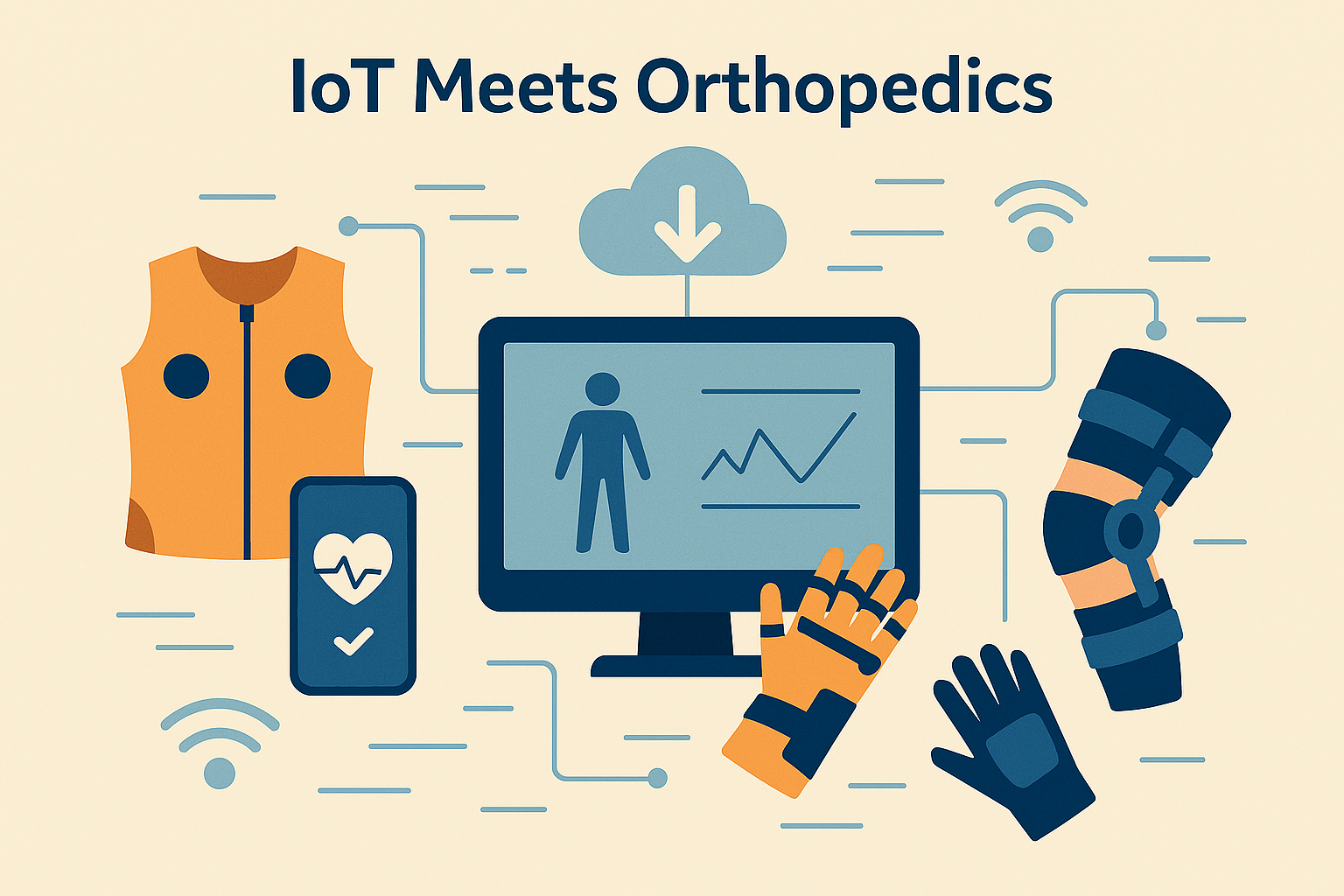
Orthopedic rehabilitation is a natural frontier for IoT. Smart garments and accessories integrate seamlessly into daily life, offering a level of precision and consistency that traditional tools cannot match.
· Precision Data: Our wearables track biomechanical metrics like knee range of motion, load distribution, and step symmetry with clinical-grade accuracy.
Remote Care: Through our cloud platform, clinicians monitor recovery progress without requiring in-person visits, reducing friction for both patients and providers.
Predictive Analytics: Our AI-driven insights help anticipate risks such as falls or improper healing, enabling proactive interventions.
This digital transformation empowers patients to take ownership of their recovery while giving providers actionable insights.
Subscription Models in Healthcare Technology
The rise of subscription-based healthcare technology mirrors trends in consumer electronics and fitness. Instead of large upfront costs, patients and institutions pay for ongoing access to evolving digital services. We have embraced this model to ensure continuous value delivery.
Device Upgrades: Our modular hardware and firmware updates keep devices current without requiring full replacements.
Software Platforms: Our dashboard offers cloud-based analytics, telehealth integration, and personalized rehabilitation programs.
Support Services: We can also provide technical assistance, data analytics, and clinician training as part of our service ecosystem.
This model ensures sustainability, affordability, and scalability—while fostering long-term engagement between patients and providers.
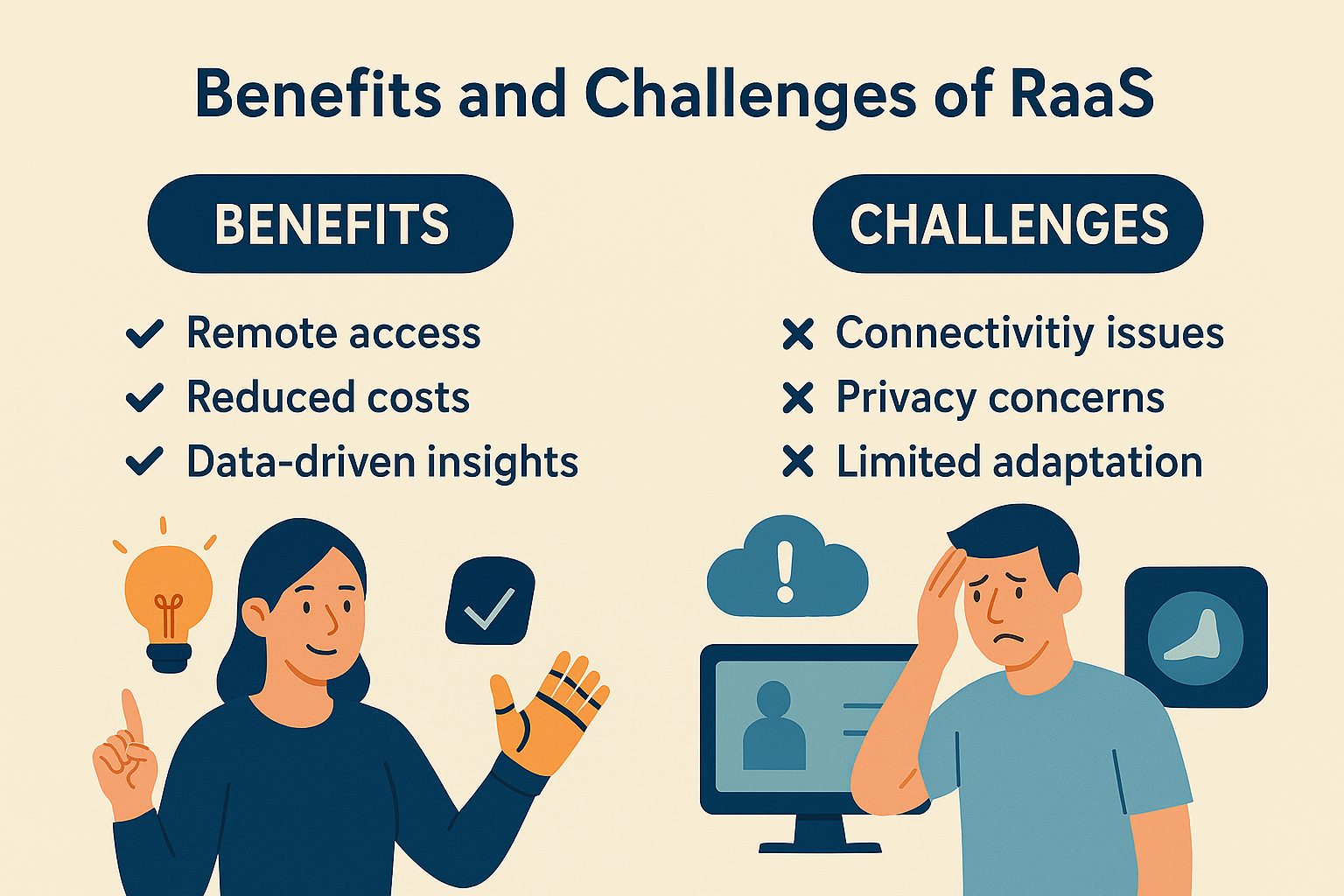
Benefits of Rehab-as-a-Service (RaaS)
Our approach highlights the broader advantages of RaaS:
Accessibility: Lower upfront costs make advanced rehab tools available to more patients.
Personalization: Our adaptive algorithms tailor rehabilitation to everyone’s recovery journey.
Data-Driven Outcomes: Continuous monitoring enhances clinical decision-making.
Scalability: Clinics and health systems can expand offerings without heavy infrastructure investments.
Challenges and Considerations
While promising, RaaS raises important questions:
· Data Privacy: Protecting sensitive health information across IoT ecosystems remains essential. We prioritize secure data handling and compliance.
Regulatory Compliance: Connected devices must meet FDA, CE, and other regulatory standards—an area where our clinical partnerships and validation studies play a key role.
Equity of Access: Ensuring underserved communities benefit from digital rehab tools is critical for widespread adoption.
Integration: RaaS platforms must align with existing healthcare workflows, EHR systems, and reimbursement models.
Conclusion
The Rise of Rehab-as-a-Service signals a new era in healthcare technology. By merging garments, accessories, orthopedics, IoT, and subscription models, RaaS transforms rehabilitation from a static, product-based approach into a dynamic, service-driven ecosystem. We stand at the center of this evolution, offering intelligent wearable solutions that empower patients, support clinicians, and enable scalable, sustainable care.
Rehabilitation is no longer just about recovery—it’s about continuous engagement, digital empowerment, and service-driven innovation. We are helping to lead the way. If you’re building the next wave of digital rehabilitation, join us. info@sensoriahealth.com to learn more. Together, we can create intelligent, accessible, and scalable solutions that transform recovery for millions.